










How to use a template
- Pick a place setOpen countries, flags, US states, US cities or US presidents. Long sets offer presets, such as one continent at a time.
- Choose your yardstickDecide what the ranking measures, such as travel wishlist, food, flag design or history, and write it in the title.
- Rank and comparePlace every item, export the image, or share the template with classmates or friends and merge everyone's answers.
The places and history templates
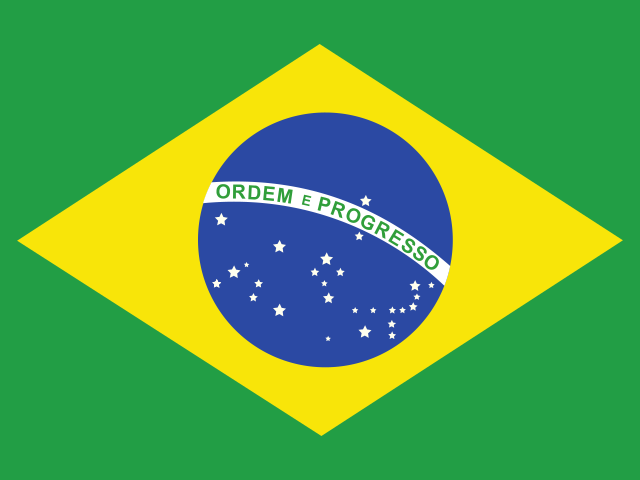
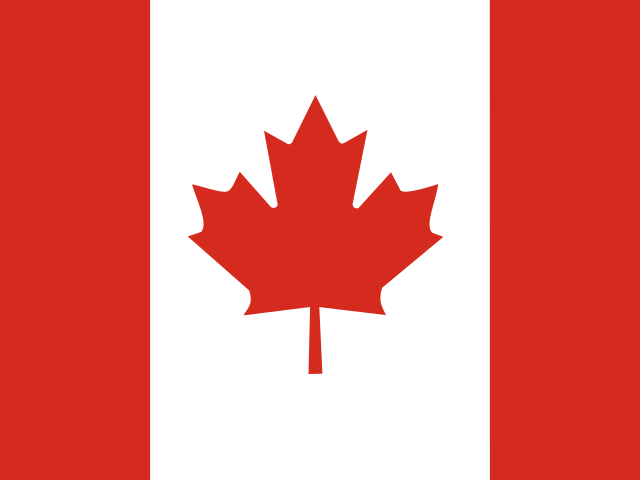
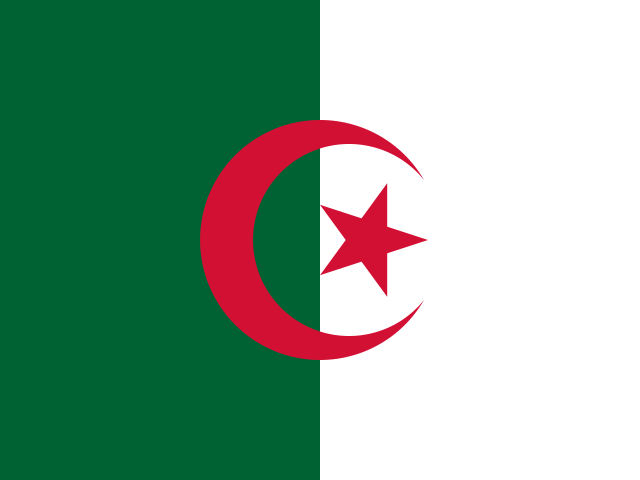
Five sets live on this shelf. The countries tier list shows every country with its flag and lets you filter by continent, so a European or Asian ranking takes minutes instead of an hour. The flag tier list ranks the flags themselves, with or without names, which makes it a good geography quiz in disguise.
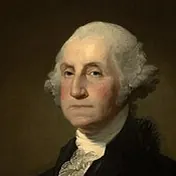
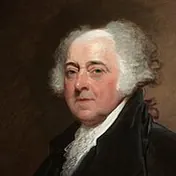
Closer to home, the US states tier list covers all 50 states as map shapes with their names, and the US cities tier list gathers the biggest American cities. The US presidents tier list runs from Washington to today with public-domain portraits.
Decide what you're ranking before you start
A places ranking without a question is just a list of opinions about everything at once. Choose one angle and say it in the title: places I want to visit, best food, best flag, best place to live for a year, or most interesting history. Each produces a different, more useful ranking.
For states and cities, the classic yardsticks are places you've actually been, weather, food scenes and cost of living. Ranking only places you've visited, with a "haven't been" row for the rest, gives a list your friends can trust and argue with.
Cities reward a narrower question still. Skyline, public transit, food, sports culture and what a weekend costs all point in different directions; a city that wins on pizza can lose badly on rent. Rank on one, then duplicate the list from My lists and rank again on another, and the two boards side by side often say more than either one alone.
Flags have their own yardstick: design. A flag can stand for a country you love and still be a cluttered design, so separating the two makes the list sharper.
What makes a flag S tier
Vexillologists, people who study flags, often point to a short set of design principles. Keep it simple enough for a child to draw from memory. Use meaningful symbols. Stick to two or three basic colors. Avoid lettering and seals. Be distinctive, rather than resembling a neighbor's flag.
Those rules explain why the same flags keep reaching the top rows. Flags with a single bold symbol on a plain field tend to rank high because they're recognizable from across a stadium. Flags carrying a detailed seal or a line of text often slide down, since they turn into a blur at small sizes.
Use the rules as a starting point, not a verdict. Some much-loved flags break them on purpose, and the argument about whether they get away with it is half the fun.
Ranking countries and people with respect
Place rankings are about experiences, not about the people who live there. "Best food" or "most want to visit" invites a fun debate; ranking nations or their citizens as good or bad does not, and it rarely survives a group chat with someone from that country in it.
The presidents set deserves the same care. Historians often rank Lincoln, Washington and Franklin D. Roosevelt near the top in their surveys, and they tend to judge leadership in crises, lasting results and how each president handled the powers of the office. A balanced list explains what it measures. Recent and living presidents are best judged by those same stated criteria, with the understanding that history usually needs more time.
Places tier lists in the classroom
Teachers use these sets as warm-ups that sneak in real learning. A flag ranking makes students look closely at symbols and colors. A states ranking by climate or by date of statehood forces a quick look at the map, and a presidents ranking by a stated criterion sparks a history discussion with reasons attached.
The maker needs no account and uploads nothing, which makes it easy to use on school devices. In One by one mode items come up one at a time on an oversized card with the tier choices underneath, so students on tablets can work without dragging across the screen. Export the class result as a PNG for a slide.
Other history and places topics
Historical figures, empires, languages, mythologies and universities all make good ranking topics, though none has a ready-made set here yet. Drop the names into the text tier list page as a simple column and the tiles build themselves. Because a list of words is small, the whole thing travels inside a share link, so a class or a Discord server can rank the same names in minutes.
If you'll come back to the topic, or want a whole group to rank the identical set, build it once as a template with the template builder. You can add portraits or maps you have the right to use, and those travel to friends in a .tier file you send yourself, while a plain list of names fits in a link. Either way, nothing goes up to a server.
Questions
Which places template should I start with?
Start with the question you want to answer. For travel, food or places you have been, open the countries template and filter by continent. For a design contest or a quiz, the flags set adds England, Scotland, Wales and three territories. For a road trip or a geography drill, use the US states outlines, and for history, the presidents. Each page argues its own ranking.
Can I rank countries by continent?
Yes. The countries template has a continent filter, so you can rank only Africa, Asia, Europe, North America, South America or Oceania. Shorter regional lists are quicker to finish and easier to compare with friends. You can also add a country or territory that matters to your list by typing its name.
Does the flag tier list show country names?
It can go either way. Show names for a relaxed ranking, or hide them to turn the template into a flag quiz where everyone ranks first and checks later. The flags come from an openly licensed flag set, credited on the page, so the exported image is fine to share.
How do I rank US presidents fairly?
State one criterion and stick to it, such as crisis leadership, economic results or lasting impact. Historians' surveys often rank Lincoln, Washington and Franklin D. Roosevelt near the top using criteria like these. Judge recent presidents by the same standard, and note that time tends to change how presidencies are seen. The template page explains our ranking and its reasons.
Can I make a US states tier list with map shapes?
Yes. The US states template shows all 50 states as public-domain map shapes with the name under each; switch off Show names on pictures for a shape quiz, or paste the names into a text board for words only. Rank them by visits, weather, food or anything else you can defend, and add a row for states you haven't been to. Export the result for a road trip group chat.
Is there a historical figures tier list?
Not as a template yet, but a text list does the job: enter the names and every one turns into a tile. Pick a clear yardstick, such as influence on their own century, and keep the labels neutral. If you'd like pictures, add images from your device; public-domain portraits are a good source for historical figures.